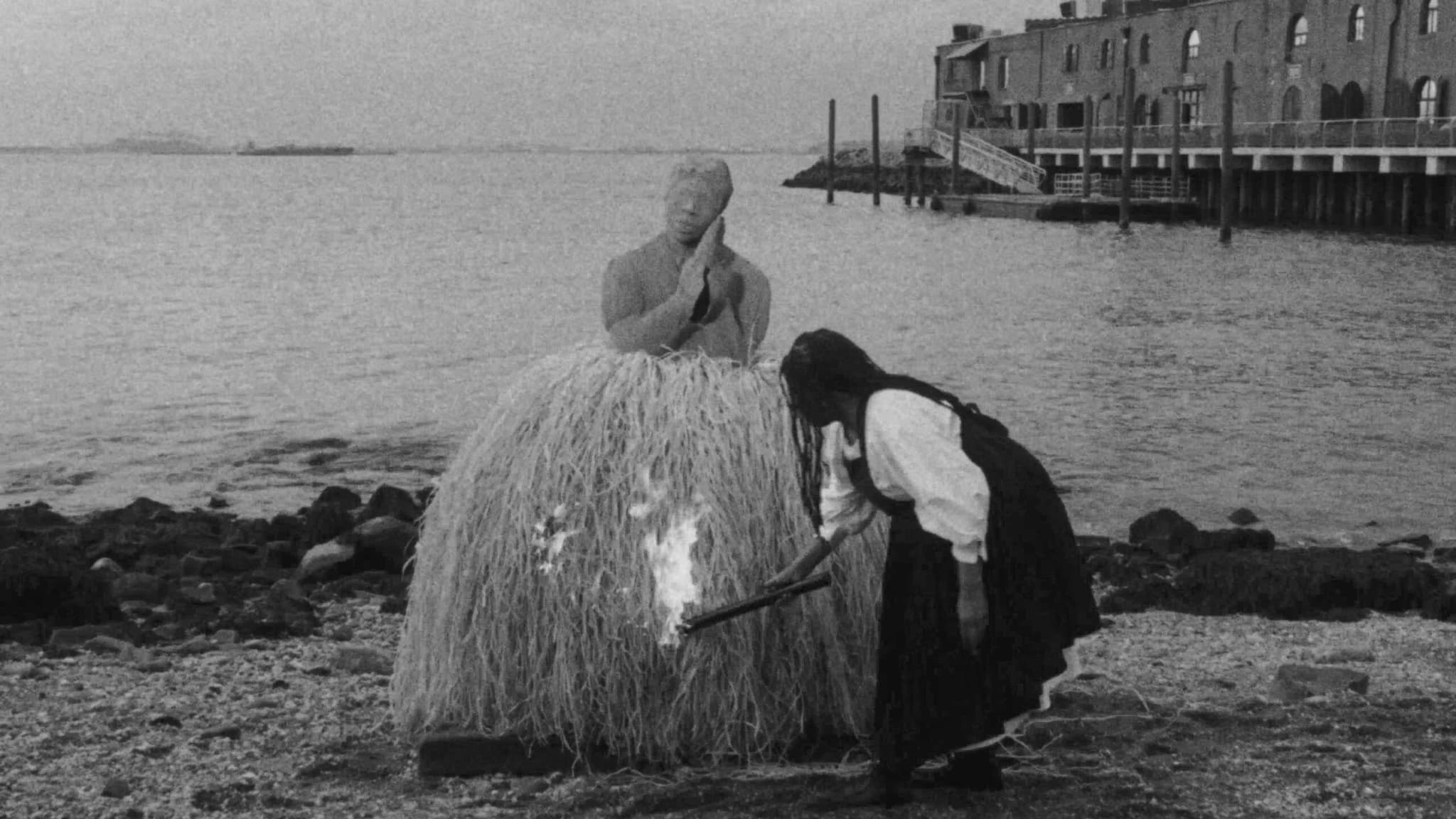
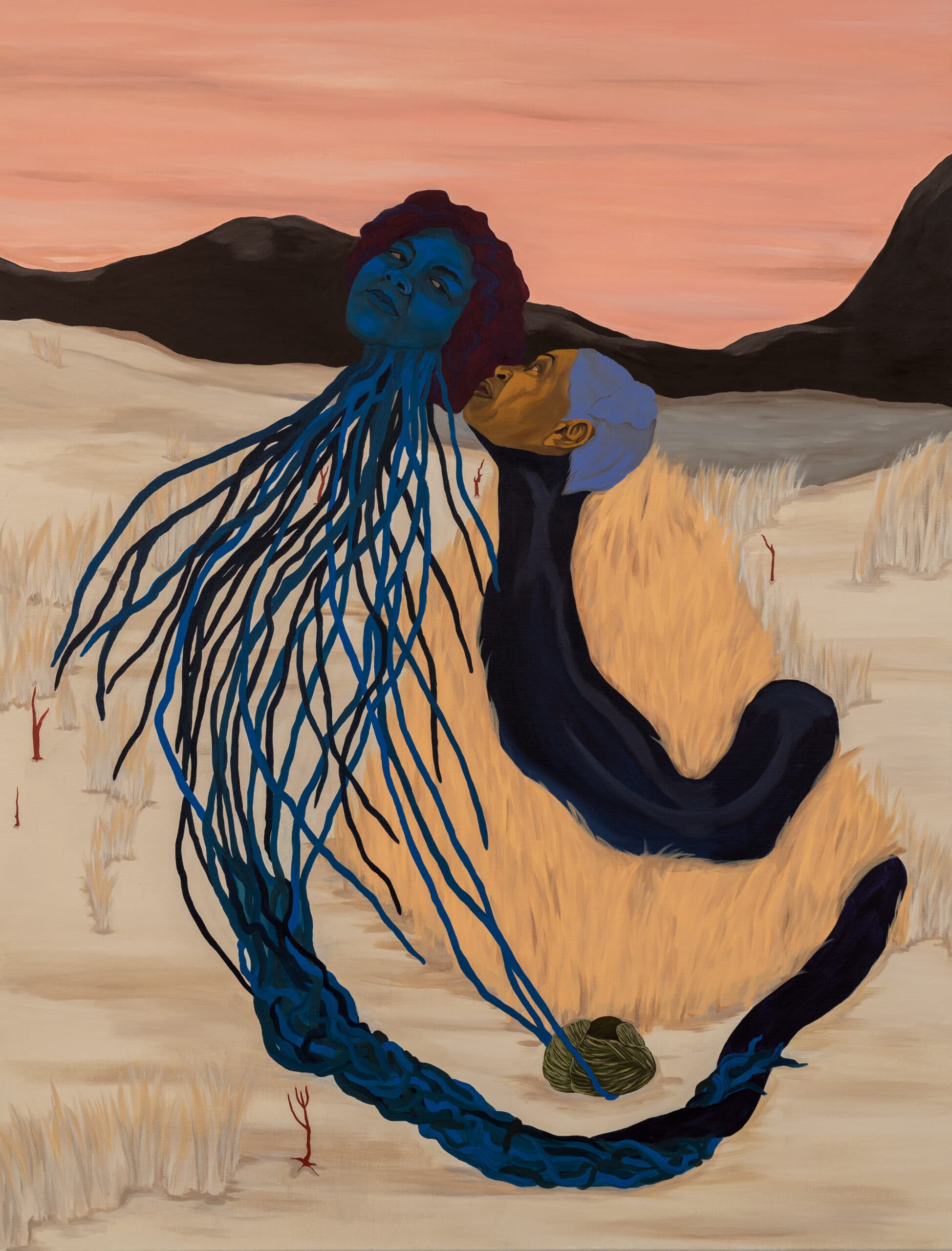
Tessa Mars, Eat the land (cycle I) (2022), acrylic on linen, 190 cm x 260 cm, photo by Sander Van Wettum.
(Essays)
Create Dangerously: Remembering Black Bodies in Motion
Issue 011
OCTOBER 21, 2026
An abbreviated version of the keynote speech delivered by Michèle Stephenson at the 2026 BlackStar Greaves Seminar
Today I want to speak about movement. Not travel. Not mobility as status. Not the polished story of arrival. I want to speak about Black bodies in motion, what they can teach us: movement as a form of resistance, as a way of knowing, and as a way of being and of making. Because in the annals of the Black Atlantic, wherever there was captivity, there was motion. Everywhere there were imposed borders, there were routes. Everywhere there was silence, there were people risking everything to speak anyway.
In the Caribbean and across the Americas, we call those people, those communities, by many names: Maroons, Cimarrones, Neg Mawon, Palenques, Quilombos. The Underground Railroad. Different languages, same practice: freedom as flight, freedom as invention or re-invention, freedom as community.
This word, marronage, has helped me understand my own life—not as metaphor, as inheritance. I don’t remember when I first learned the word Maroon, since it was part of the family lexicon growing up. During my first trip back to Haiti as a child, we had a family outing to the Champ de Mars, a park where the monument The Unknown Maroon stood, honoring the land of my ancestors as a Maroon society—a country built from fugitivity and an unquashable desire for freedom.
I’m speaking with you at a seminar honoring Bill and Louise Greaves; they, too, exemplified this uncompromising fugitive stance when it came to their work and what Black liberation might look like. They understood that nonfiction film is a battleground—it’s a choice, and it can be a way of seeing and working otherwise.
Haitian American author Edwidge Danticat’s book, Create Dangerously: The Immigrant Artist at Work, pulls no punches when it comes to understanding not just the calling but the responsibility of artists. Danticat defines creating dangerously as an act of bearing witness, a revolt against silence, in which both creating and viewing art as an audience/spectator are equally perilous acts of defiance. To make art and tell stories in these times is not comfort—it’s a duty, a duty we owe to the Maroons before us.
Danticat doesn’t use the term as a romantic slogan. She makes it practical. To create dangerously, we do the work knowing it may cost us access, comfort, safety, and approval. It means we create anyway. We create with the ghosts, and for the people who will come after us—people we may never meet. I want to propose something simple as we create dangerously for those who come after us:
What if our filmmaking practice is not just “content,” not just a career?
What if our practice is an archive?
What if it is an archive for the future?
Lina Ghotmeh, a Lebanese architect, describes her process as an “archaeology of the future.” She treats every project like an excavation; listening for what’s already in the ground, what’s been buried, what’s been erased, what still insists on being present.
Her phrase “archaeology of the future” helps me name and reimagine my own practice. At Rada Studio, we are not just making films; we are excavating absences, building new memory, leaving behind tools, pathways, and proof. We are searching for archival clues on ways of being that our Maroon ancestors left behind, sometimes through embodied memories—dance, music, and stories.
Because we know the archive is political; the archive is violent. The archive tells us who mattered and who didn’t. So our work has to do something else: It has to become an archive that refuses erasure. And for me, that begins with excavating my own memory. A window. A field. A silence so loud it makes my body shake.
In our Going to Mars: The Nikki Giovanni Project (2023) intro to the film, we were world-building, collapsing time and space, making the past present where the archive is nonlinear, because Nikki Giovanni is nonlinear. Because Black memory is nonlinear. Because the truth doesn’t always arrive in order. This is the first lesson I am learning as I deepen my practice—form is a politics, form is an ethic. In our fugitive, marronage work, form has to be at the center of our questioning and search for connection.
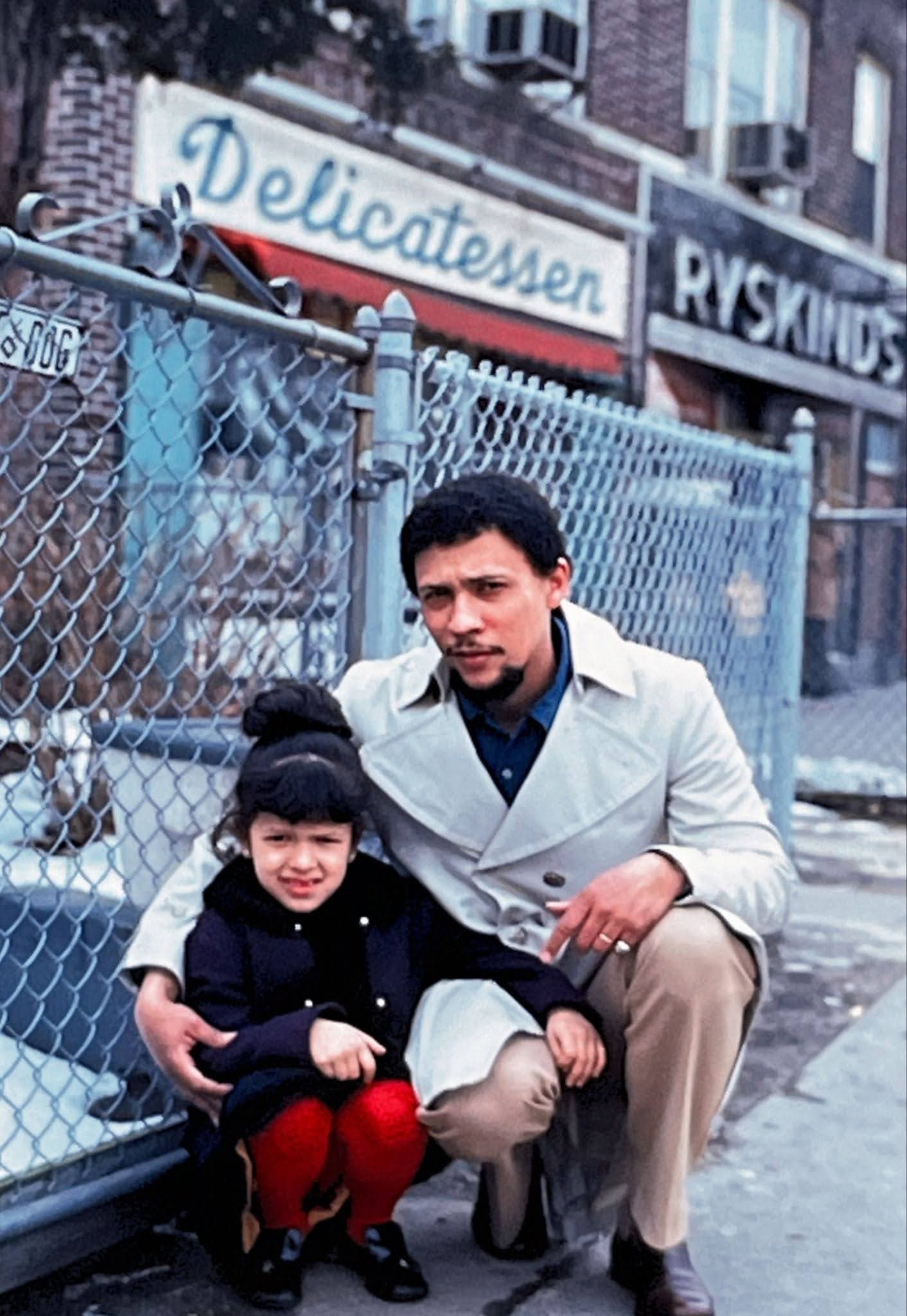
Photo by Edouard Stephenson.
Origins: “Northern Blackness/Exile”
I arrived in the Canadian province of Quebec in the Fall of 1974. I had just turned nine years old and had spent most of my young life in Flushing, Queens, a multiracial place, loud, messy, and alive. That chaos had been my home. I was born in Haiti, but my family fled when I was a baby, because our lives were under threat by François “Papa Doc” Duvalier’s dictatorship.
We fled the year after the brutal public execution of two young men in 1964, Louis Drouin and Marcel Numa, whose bodies were displayed to instill fear in all those who opposed the regime. Our family was publicly known as opposition members, with a lineage of political militantism that traced back to the Haitian Revolution. It was necessary to leave; my father’s life was in danger.
We were part of the Black Caribbean migration to New York City in the 1960s and 1970s, thanks to the Immigration Act of 1965, which abolished the national origins quota system that favored European immigrants. Historians often reference this as a turning point that unintentionally led to the browning of America. In New York City, my parents created a beautiful community life. But, New York City was also a tough place, and my parents longed for extended family and calmer spaces, so we moved once more to Quebec. We joined the Haitian diaspora in Canada, as well as our extended family who were in exile and had settled there.
We landed in the Eastern Townships, in the hills of Hatley, a tiny rural town about 90 minutes from Montreal. One evening, my first winter there, I was alone in my uncle’s small cottage, looking out the window. Outside I saw silence—endless empty, white, snowy fields, cold air, and a whiteness that felt endless. I was aching for the chaos of New York City. Something happened that I didn’t have language for then: I began trembling, a visceral reaction to Quebec. This alienation was so deep—with few familiar references to comfort me—and a sense of fear so physical, I spent years trying to shut it off. That’s how life in the True North began for me. It was not as a new frontier, but as isolation, as dislocation.
In my first month of fourth grade at North Hatley Elementary School, a boy came up to me at recess. He was platinum-blonde with steel blue eyes; he was the descendant of working-class Scottish farmers. He looked me dead in the face and called me a racial slur. I remember feeling stunned—exposed, like my skin had been pulled off in public. In Queens, I knew about playground fights, but I didn’t know this kind of violence—a word that draws a line between who belongs and who doesn’t.
A circle of kids formed around us; the girls I’d been playing with disappeared from my peripheral vision. I did what I knew how to do from Queens; I started beating him up. The teachers pulled us apart. My dad came to pick me up, and he said, “You did good, Michèle. You gotta fight back.” That was his lesson.
A week later, my parents pulled me out of North Hatley and transferred me to another elementary school in a larger town nearby. That’s where something cracked open for me.
The white rural space I grew up in was full of the typical stories of fist fights against bullies, assumptions white teachers made about my abilities, witnessing my parents’ experience of discrimination in the workplace and beyond, and more. But in my new fourth-grade class, for the first time in my life, I had a Black woman teacher. Mrs. Preiss was a Black American. She was young, a hippie with peace-and-love energy. I experienced what it meant to be in a safe space, protected and seen. She built a sanctuary inside that classroom and she made the room feel like a different atmosphere, one in which the outside world didn’t get to define us. She helped me love learning. She helped me love myself. I realize now Mrs. Preiss wasn’t just a teacher; she was practicing a kind of everyday marronage when she created a free space inside the plantation logic of school.
While I was trying to survive whiteness and the snow, the adults in my life were building community. Haitian and Latine immigrant families came together every week, passing on culture, folklore, history. They fed us stories, dance, and music like medicine.
My father—deeply flawed, but also deeply courageous—always insisted he was not an “immigrant settler.” He always defined himself as an exile, a fugitive, a Maroon. He never accepted the US, with its imperial history over Haiti, or Canada as the end of the story; they were only temporary terrain. He held on to Haiti with an almost impossible hope that he would return. He was determined to pass on justice to me, this embodied memory of the Haitian Revolution. These minute details were a blueprint for my imagination and a source of knowledge that could never be erased by institutional school indoctrination.
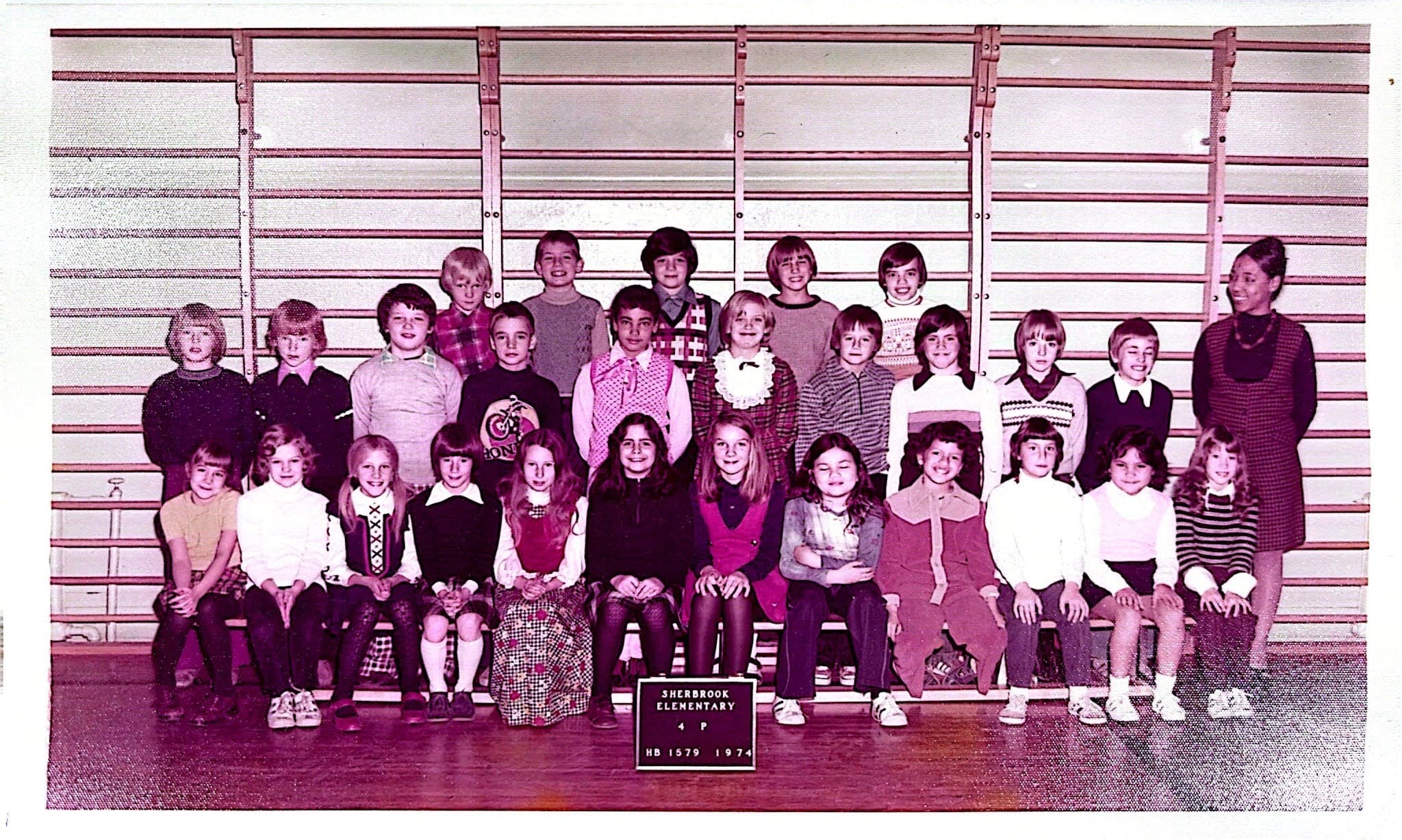
Courtesy Sherbrooke Elementary.
The Revelation: 2022–2023 (Reclaiming the Robbed History)
The deep research dive I did to make my latest feature film, True North (2025), became therapy. I was finally learning the histories I’d been robbed of in school—the interconnectedness between Haitian migrants in 1960s Montreal, Black student resistance, elders risking their safety to call out injustice in Quebec. I was furious that I had been living inside a story that had been edited to remove us, our lineage of liberation struggles in this northern frontier of the Black Atlantic. Learning the centuries-long tradition of Black struggle for liberation in the place where I grew up changed my relationship to Canada and my sense of belonging.
While researching, the part that hit me in the gut was that I learned things about my own father and grandfather. Through interviews with elders who carried truths that had never been spoken in my family, I learned about the active resistance my father and grandfather were involved in to fight dictatorship in Haiti and how they and other family members risked their lives.
My ancestors were calling me and guiding me. As an adult, I was learning my own lineage from the people my parents hung out with at parties late into the night, when as a child, I would fall asleep on their piles of winter coats in Montreal. This is what the archive can do when it’s living. This is what elders can do when we actually listen. This is what a story can do when it refuses to be polite.
I now think of our practice as a way of building an archive for the future, because the past is not past. It’s lodged in the present and in our bodies, and if we don’t excavate it, someone else will—badly, or they will bury it deeper. So when I say “Black bodies in motion,” I’m not only talking about migration; I’m talking about a lineage of resistance that keeps resurfacing in different places and generations, because the conditions that demand it never fully disappear. Different moments, same current—people refusing to be quiet, people defying imposed borders, building safe spaces, nourishment, ammunition to confront the outside world. When we connect these dots, in our heads and in our artistic practice, the Black radical tradition becomes alive within us—not a slogan, a daily practice.
And that brings me to the questions I try to engage in my work:
If the search for freedom involves movement, what does it mean to make cinema that moves like freedom?
How can making cinema today be part of this lineage of resistance that resonates beyond the individual self?
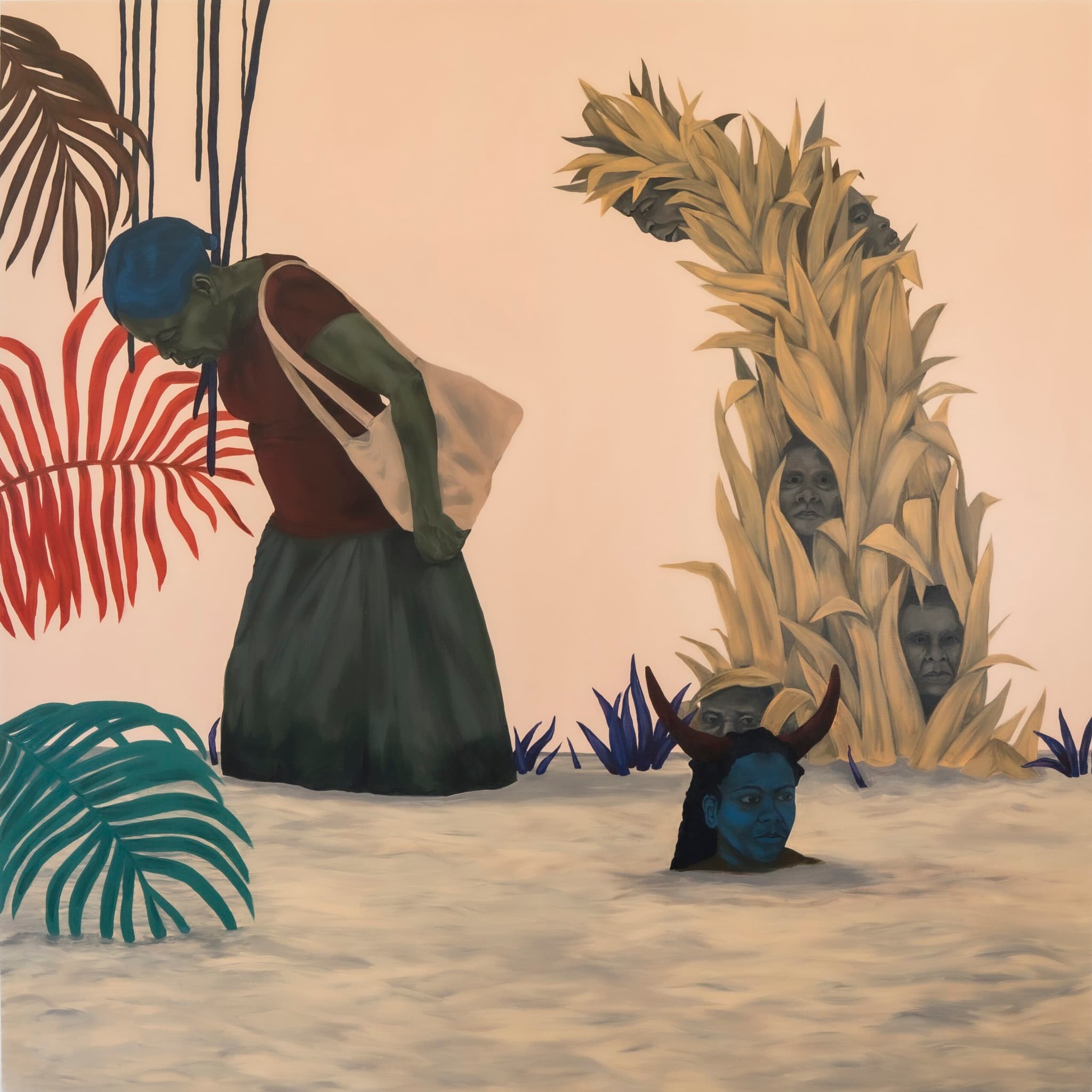
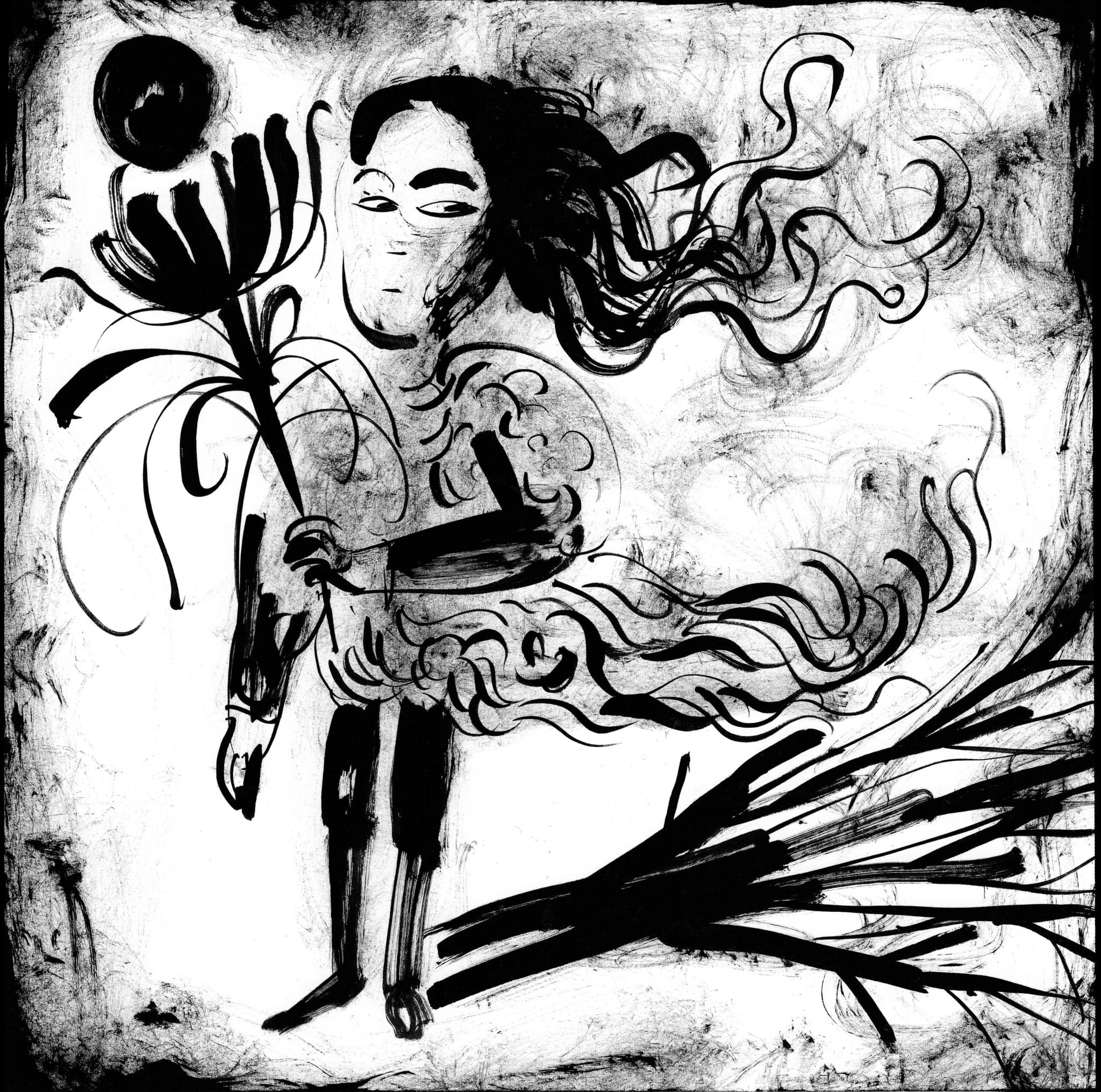
Tessa Mars, A vision of Peace, Harmony and Good Intelligence I (2020), acrylic on canvas, 190 cm x 190 cm, photo by Takeshi Fujimura.
The Frame
At some point, lived experience demands language and meaning—not to tame it, but to work with it. And the language that helped me understand what I was living through came much later in my practice. This language now helps inform how I approach my work today.
Saidiya Hartman’s scholarship has opened doors for my questioning. I came to her work decades into my practice as I searched for theoretical meaning to help shed light on my purpose. She gives us a phrase that refuses comfort: “the afterlives of slavery.” What Hartman names is simple and devastating: Slavery didn’t end; it transformed. Its logics are still lodged in our institutions, our schools, our borders, our archives, our imaginations. The afterlife is not metaphorical; it’s structural, it’s atmospheric.
When I look back at that sea of snow in Hatley—at the silence outside the window, at the absence of Black history in my formal education—I now understand that I wasn’t just experiencing racism; I was breathing the afterlife of slavery. I was channeling the experiences of my ancestors. This realization has influenced how I tell stories and what I choose to focus on. Because if the violence isn’t over, then the archive isn’t complete. And if the archive isn’t complete, then we cannot simply record what already exists. We have to reimagine it.
Hartman gives us another tool for our practice—“critical fabulation,” a way of working with fragments, gaps, silences. Critical fabulation gave me permission to say, “The absence is the evidence.” It gave me permission to let imagination do political work; a theoretical grounding for my imaginary.
But imagination alone is not enough. From this frame, I felt the need to go further in committing to a politically active approach and aesthetic, which kept bringing me back to marronage—not as a destination, but as a practice. Not a moment, a method. Marronage is not just escape, it’s the creation of new social relations, new forms of care, new rhythms of life. Maroons didn’t simply flee plantations; they built worlds in the margins, worlds that were fragile, temporary, constantly under threat—but real. And that distinction matters for the world-building we create in our storytelling and for the world we live in today. This intentional view of marronage honors Haiti’s centuries-old practice of building otherwise.
Too often, freedom in cinema is framed as access to funding, to platforms, to institutions, to visibility. Marronage asks different questions of us:
What are we building while we are running?
What forms of solidarity are we inventing?
What ethics are we practicing?
What kinds of relationships are we centering?
Marronage became a way to understand my parents’ lives—their refusal to assimilate quietly, their insistence on building community, building otherwise in hostile territory. To understand their belief that culture was not decoration, it was infrastructure. Marronage has also become a way to understand my work. When you are working inside systems that were never designed to hold you—sometimes the most radical and nurturing thing you can do is not demand inclusion, but practice fugitive creation.
The Haitian literary and artistic spiralism movement is an example of fugitive creation that resonates with me. Founded in the 1960s by Haitian authors Frankétienne, Jean-Claude Fignolé, and René Philoctète, the spiralists’ work challenged traditional linear narratives. They instead favored nonlinear, cyclical, and open storytelling that refused easy closure to address themes of political oppression, systemic disaster, and cultural identity. They advanced the notion that the spiral’s form perfectly embodies the simultaneously advancing and repeating movement of human existence. The spiralism movement served as a vital Caribbean epistemology, representing a way to process, express, and endure the ongoing, repeating traumas of history in a fresh way.
And then there is, of course, our Martinican brother Édouard Glissant, who offered us what he named “our right to opacity.” Opacity is not secrecy; it is not refusal to communicate. Opacity is the refusal to be reduced; it is the right to say you do not need to fully understand me in order to respect me. It is the right to complexity without translation for dominant comfort. Glissant’s idea liberated my relationship to form, because so much of nonfiction—especially when Black and Brown life is involved—demands legibility, explanation, resolution, moral clarity. Opacity says no:
Some things remain unresolved. Some truths arrive sideways. Some stories protect what they love.
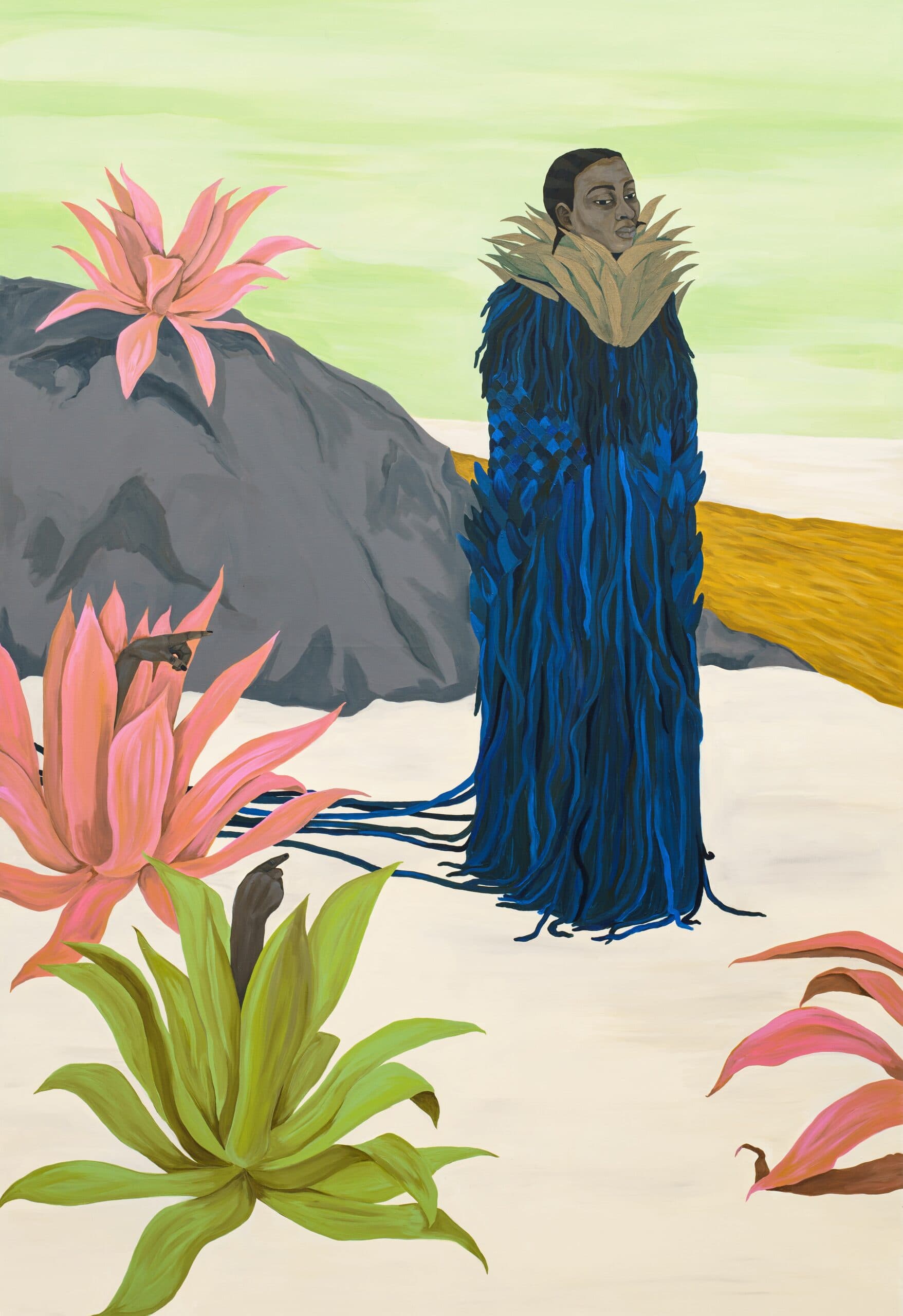
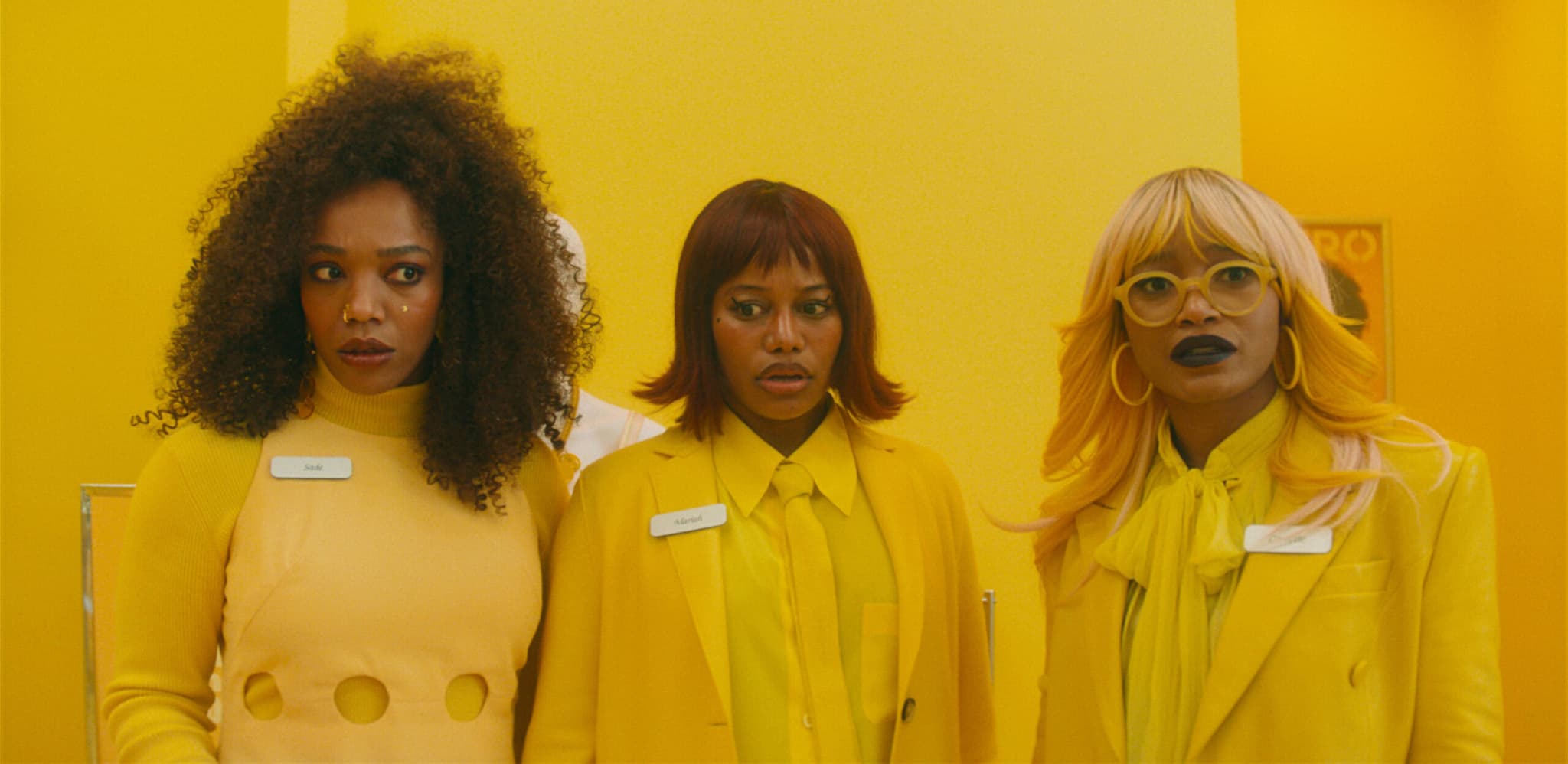
Tessa Mars, Travelling root II (2022), acrylic on canvas, 190 cm x 130 cm, photo by Wouter Stelwagen.
When we center the liberating right to opacity—to tell our stories on our own terms—combined with a fugitive way of seeing and being, we can create dangerously knowing our ancestors have our back. Danticat reminds us that being true to ourselves requires risk. It means understanding that form itself carries ethics that challenge accepted culture, where culture is not a mirror. It’s a battlefield. It is where power is reproduced and contested at the same time. So, when we choose how to cut a scene, how to structure time, how to hold silence, how to layer sound, we are not making aesthetic choices alone. We are making political ones. Documentary realism may have its place, but realism alone cannot hold the contradictions of Black life in the afterlife of slavery.
Sometimes to tell the truth, you have to bend form.
Sometimes you have to break it.
Sometimes you have to let the ghost speak.
Once I opened my mind to these concepts of afterlives, marronage, and opacity—not as theory, but as method—I could see my films not as individual projects, but as connected acts of resistance. Each one asking:
What has been erased?
What has been misnamed?
What forms of freedom are we imagining?
Spiral Time, Terror and Beauty, and Seeing Otherwise
Haiti’s spiralism movement was also influenced by the Afro-surrealist artists and authors who came before them and who challenged colonialism through their use of form—from Wifredo Lam to Aimé and Suzanne Césaire to René Menil.
These artists have often been misunderstood as style, as abstraction, as departure. But the Afro-surrealism and the spiralist use of form is a necessity, because diasporic Black life has never been fully legible within linear time. We live in that tension between terror and beauty—mourning and celebration, coexisting, irreducible, inseparable. You hear this in Black music across the Black Atlantic. You feel it in rhythm, in dance, in repetition, in improvisation. You see it when history refuses to stay in the past and walks beside us.
The spiralism movement offers a way to think about this through the idea of spiral time and leaning into chaos for meaning—history not as a straight line, but as return, accumulation, pressure. The spiral does not repeat; it revisits. Each return carries the weight of everything that came before. That understanding influenced Going to Mars, since Nikki Giovanni’s work could never be held by a linear biographical arc. Her poetry already collapses time—past, present, future speaking at once—dealing head-on with both racial terror and Black joy. So, we built a film that spirals.
Archive is not background—it is alive.
Memory is not fixed—it is improvisational.
The future is not promised—but it is imagined.
Our Afro-surrealist and spiralist ancestors allow us to say the archive is haunted and memory is incomplete. This incompleteness is not failure; it is fact. That incomplete memory is also where opacity becomes care, because some things in our work are not meant to be fully explained, some silences are protective, and some meanings are relational.
And this is where creating dangerously becomes deeply personal, because when we work this way, we are often told it’s too much, it’s too unclear, it’s too risky, it won’t travel, it won’t sell. But here is what I know now: The demand that we make ourselves endlessly legible is often a demand that we make ourselves smaller.
Afro-surrealism and spiralism resist that neocolonial contraction. Their work allows us to breathe differently, to imagine otherwise; it allows us to create work that does not simply respond to the present but speaks across time, and connects with emotion rather than logic or a three-act structure. So, our practice is not just about telling stories; it is about building conditions of possibility, it is about attempting to leave behind tools, methods, and rhythms so when others arrive at similar crossroads, they do not have to start from scratch. Then we have to ask the most uncomfortable question of all: What kind of field are we building to hold this work?
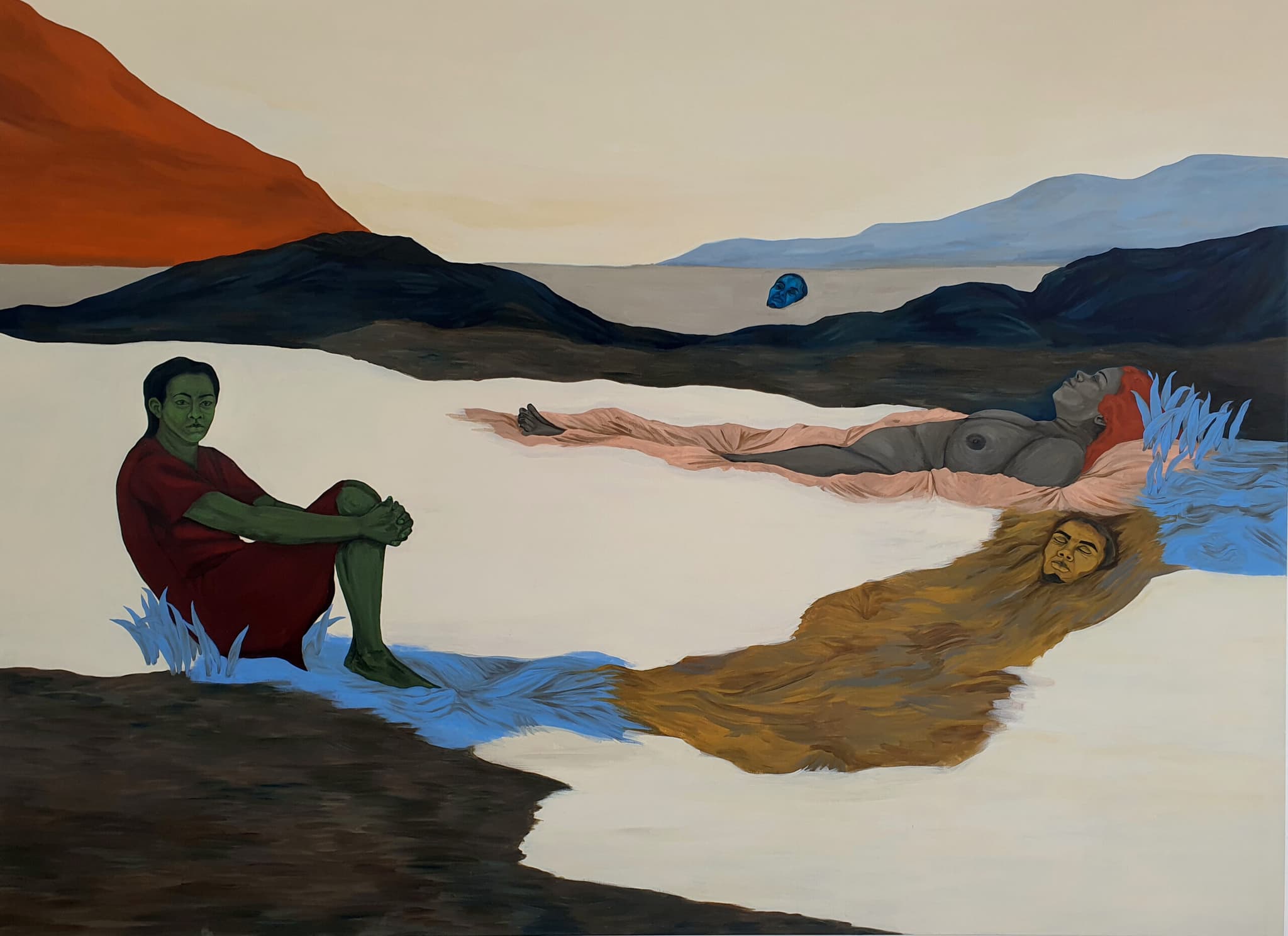
Tessa Mars, One shared breath (a name shared) (2023), acrylic on canvas, 130 cm x 100 cm, photo by Deniz Güzel.
The Field
We know this truth: The current nonfiction field was never meant for us. It has long been structured to feed a few at the expense of the many, to reward speed over care, access over accountability, visibility over sustainability, extraction over collaboration. And here’s the uncomfortable part: We are all implicated every time we prioritize access over integrity, every time we accept conditions that narrow what can be said, every time we confuse recognition or representation with liberation.
So, we must start by looking inward to ask how we—filmmakers, programmers, funders, educators, and critics who participate in a system that defines success through scarcity and competition for awards—can shift our priorities. What does sacrifice look like? The awards, festivals, and streaming deals are not neutral. They shape our imagination, they teach us what kinds of risks are acceptable, what kinds of stories are legible, and who gets to belong. The question Audre Lorde posed still matters: Can we dismantle this system using the tools that built it? Or to put it differently: How do we create dangerously without reproducing extraction?
The Black radical tradition offers us a warning here. Liberation does not come from inclusion into systems never designed for us. It comes from reimagining the system itself. It comes from defining a different relationship to power, time, and value. So, if critique is necessary but insufficient, what can building otherwise actually look like? That is a question we are still working on. With over 25 years of practice behind me, I do not have a clear answer, but I am exploring individual and collective possibilities. Bill and Louise Greaves left us an inkling of what that might look like. Greaves didn’t just make films about liberation; he made films that tested the conditions of filmmaking itself and challenged conventional forms for us to see ourselves and our assumptions. He wasn’t only asking, What is the story? He was asking, Who gets to make it? Under what constraints? With what accountability? And with what freedom inside the form?
When Greaves made Symbiopsychotaxiplasm: Take One (1968), he didn’t point the camera at a subject and claim neutrality. He turned the camera toward the process, toward the crew—the power, the assumptions, the conflicts—and he let the film reveal how “truth” is constructed in real time. That was a radical move. Greaves made the process visible, not for cleverness, but for freedom. And that, to me, is a blueprint for “building otherwise.”
Here is the provocation I want to leave us with:
If form is ethics, then what are we rehearsing with our form?
Are we rehearsing extraction or are we rehearsing freedom?
Are we leaving behind proof or are we leaving behind instructions?
Are we building work that only survives festivals, mainstream awards, and platforms or work that survives collapse?
My mother recently transitioned into the ancestral realm. Her transition has forced me to think differently about what lasts and what is left behind. She had a sixth-grade education and earned her GED at 50. Her philosophy wasn’t written in books; it was on her door—which was always open. People from all walks of life arrived with grief, with friendship, with questions, often with nothing, and left with a little more than they carried in. That was her infrastructure. That was her undercommons. That was her way of building otherwise. Thank you, Mami.
Freedom has always required movement, and movement always leaves traces. So, let’s leave traces that help someone else breathe:
Let’s leave traces that refuse erasure.
Let’s leave traces that make the field worthy of the visions we carry.
Thank you.
Share
Related