Original illustrations by Chantal Jahchan.
(Essays)
15 for 15
Issue 010
MAY 20, 2026
I have attended every BlackStar Film Festival since its founding in 2012.
With every BlackStar, I grow as an audience member, as a programmer, and as a cinephile. The education I’ve gained over the past decade and a half—from the feedback and reactions of our filmmakers and audiences, along with lessons learned from programming missteps—has been a gift. It has taught me to watch films differently and find a unique approach to programming: thinking about what the selection will mean three, six, or 10 years from now; allowing topics to emerge organically versus identifying a theme every year; considering the audience in our scheduling process; and confronting the most important political and social issues of our time.
For the first few years, BlackStar Film Festival was primarily hosted at the International House in West Philly. Back then, I-House had a comfortable, large cinema and a spacious venue where we could host the bazaar, panels and conversations, and sometimes even the parties. There was something fun about how we all moved together, watching more or less the same slate across the festival days. Eventually other venues were added as the festival grew. Today, each audience member experiences a slightly different festival based on their interests and program selections. I tell everybody who asks me for my festival picks every year: there is something for you, your teenage niece, her teacher’s 3-year-old son, his grandparents, and their neighbors. It is a festival for all film enthusiasts.
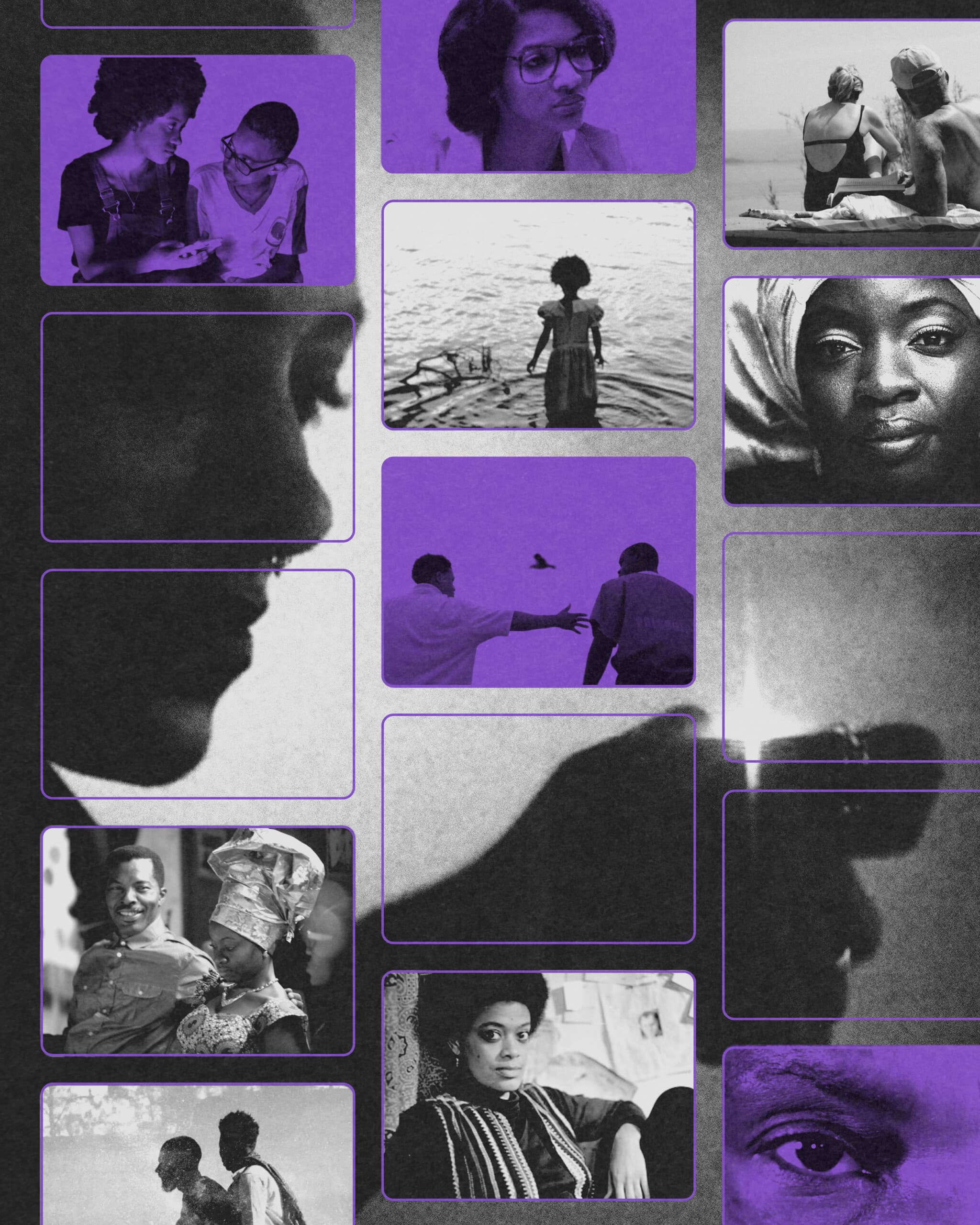
In my various roles with BlackStar, most recently as festival director, I’ve had the distinct pleasure of bringing wonderful cinema and artists to our audience. To celebrate our 15th anniversary, I’m sharing memorable films and moments from the past 14 years that have stayed with me. We’ve screened over 1,000 thoughtfully crafted films by the most talented filmmakers of our time, so this was not an easy exercise! I hope these recollections inspire folks to gather and experience Black, Brown, and Indigenous cinema.
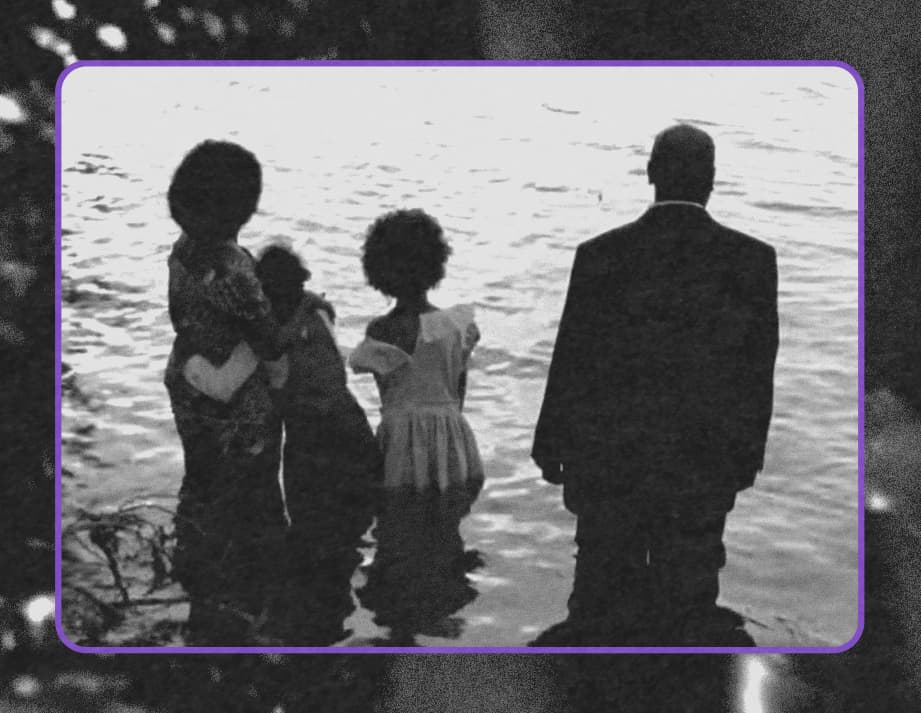
Original illustrations by Chantal Jahchan. Still from Boneshaker (2013)
2012: Restless City dir. Andrew Dosunmu
In BlackStar’s inaugural year, I was a festival volunteer. I had moved from Philadelphia three years earlier and was living in DC. I heard a lot about BlackStar; everyone I knew was talking about it.
When I watched Andrew Dosunmu’s Restless City (2011), I was stunned, tongue-tied by its colors, music, and texture. The film is a story of migration, aspiration, love, and sacrifice.
Along with Middle of Nowhere (2012), it was one of two festival films lensed by Bradford Young. It was my introduction to Alassane Sy, a Senegalese filmmaker and actor who plays Djibril in Restless City and would go on to star in and direct many films featured at the festival. I’d return to the festival as a volunteer the following year, when I’d watch Dosunmu’s subsequent film, Mother of George (2013), and cry through the entire opening wedding scene, a feast of color and emotion.
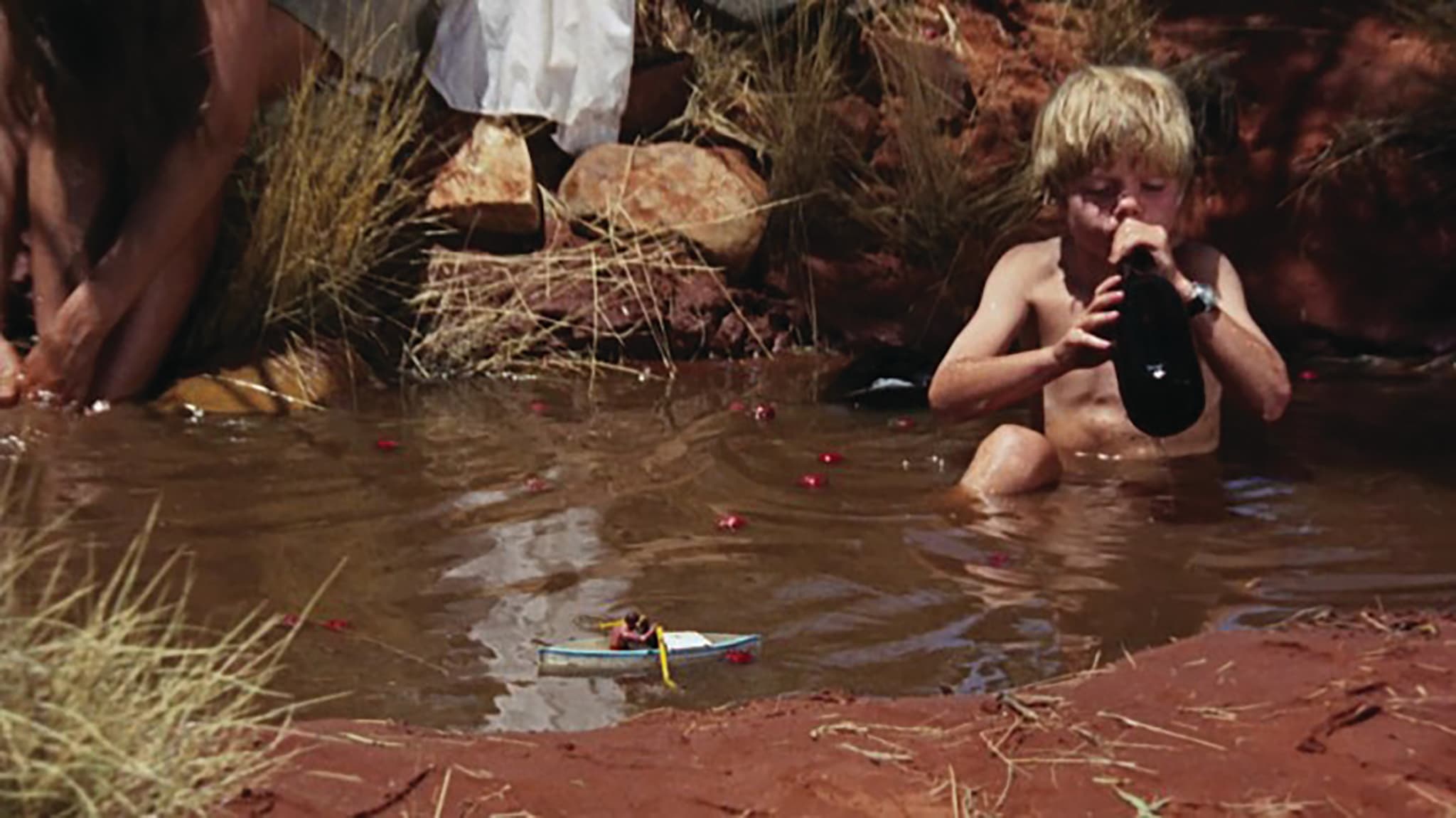
2013: Boneshaker dir. Nuotama Bodomo
Boneshaker (2013) was the first film I saw by Nuotama Bodomo. Watching this 13-minute morsel was a full-body experience. The color palette, soundscape, and acting awakened the senses—the flutter of a bird, the chime of a water drop plunging into a lake, the subtle facial expressions of a little girl in her youthful rebellions. The characters brought sorrow, forgiveness, and redemption to the screen in a story imbued with depth and symbolism: a family seeks spiritual healing for their young one, as they carry loss, reluctance, conviction, and some fear.
Original illustrations by Chantal Jahchan.
2014: Evolution of a Criminal dir. Darius Clark Monroe
Darius Clarke Monroe’s 2014 debut film uses the autobiographical documentary form to engage in a reckoning of forgiveness and transformation. All I can say is watch it. Monroe has since returned to BlackStar multiple times with the short documentaries Two Cities (2015) and Black 14 (2018), the short narrative fiction Dirt (2016), and the TV series Dallas, 2019 (2025).
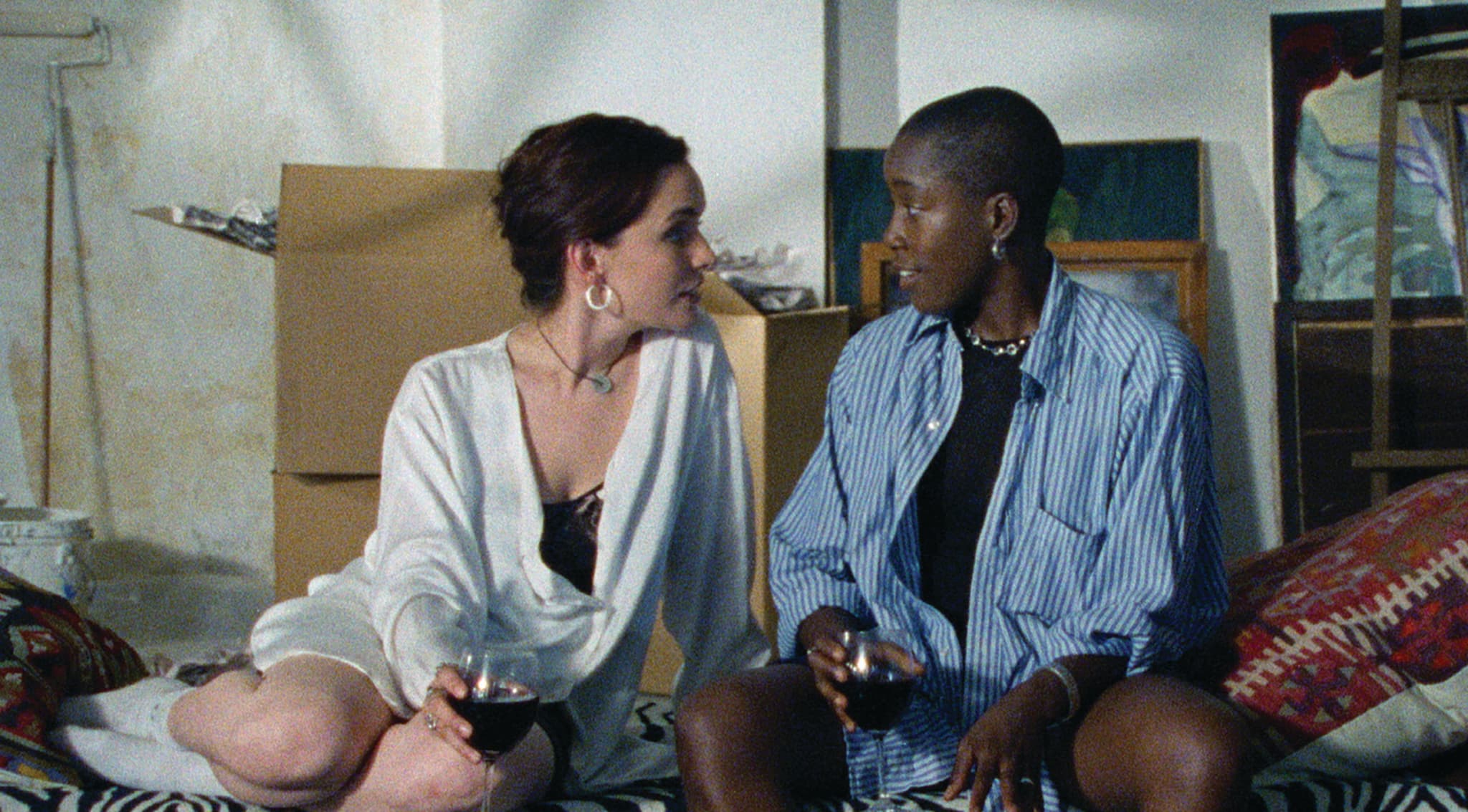
2015: Losing Ground dir. Kathleen Collins
2015 was an emotionally difficult festival. We suddenly and tragically lost our friend Vijay Mohan, a BlackStar colleague and a beloved member of the Philly film community. At first, many of us were uncertain if the festival would go on, but in an effort to honor Vijay’s memory, we decided to move forward. This was also the first year I worked on the program committee. I was most excited for the screening of Kathleen Collins’s Losing Ground (1982), well before its 4K restoration in 2022. Collins and this film are often discussed in film spaces like ours with an emphasis on her grit in independent filmmaking and the many lessons about image making that she left us. In 2025, we named a panel “Neither Saints nor Sinners” after a 1984 lecture Collins gave at Howard University about the burden Black filmmakers face to create extraordinary characters.
2016: “At the Brink” Shorts Program
Something was in the air at the 2016 festival; the ancestors showed up and made their presence known on multiple occasions, most dramatically when the building’s electricity went out during “At the Brink.” The shorts explored death and transitioning, some of the most heartrending films we’ve screened: Monroe’s Dirt, in which a central character buries and digs himself up; Che Grayson’s Rigamo (2016), about a little girl who brings back the dead with her tears; Darren Wallace’s Savage vs. The Void (2014), which reimagines the night of Troy Davis’s execution; Terence Nance’s Univitellin (2016) about a star-crossed young couple; Bodomo’s Everybody Dies! (2016), about Black child mortality; Arthur Jafa’s landmark film Love Is the Message, the Message Is Death (2016); and Roni Henderson’s {break}through (2016), honoring the nine people murdered in the 2015 Charleston Church Massacre. It was during this last film that everything abruptly stopped. It might be my imagination, but I swear I heard the boom of the power outage.
Meanwhile, on the opposite side of the city, a historical marker was being installed to acknowledge the enslaved people, violently kidnapped from Africa, who were forced to enter North America through the Delaware River Port. It was unanimously agreed amongst festivalgoers that there were no accidents that day at I-House, the venue for the shorts program. Three miles away from the commemoration, we collectively conjured something bigger than us.
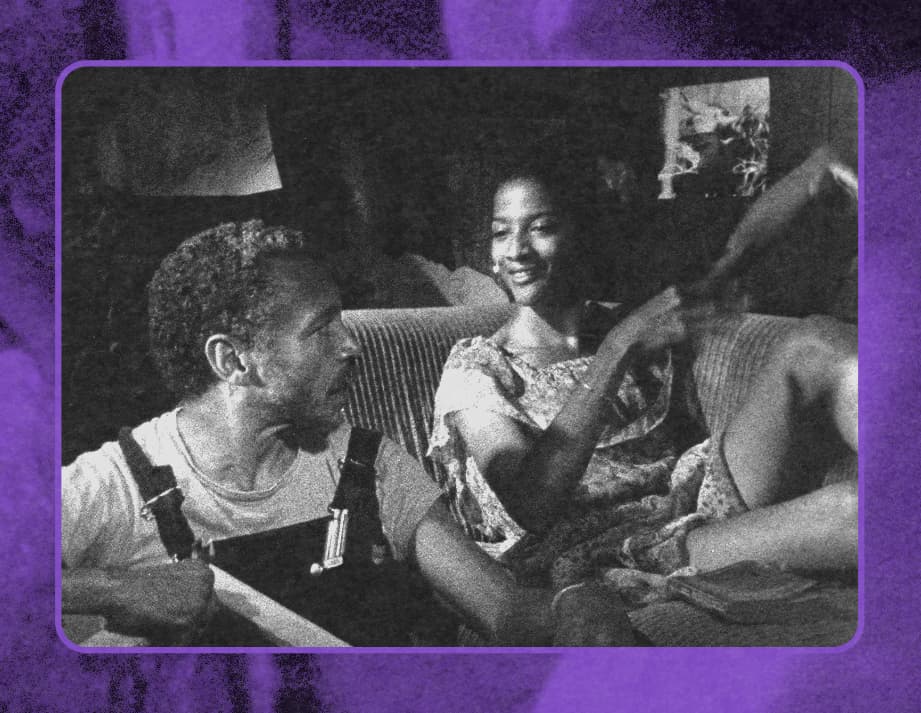
Original illustrations by Chantal Jahchan. Still from Losing Ground (1982), dir. Kathleen Collins, courtesy Milestone Films / Kino Lorber.
2017: Shorts Program 5
My favorite BlackStar experience to date was the audience reaction to Shorts Program 5. It’s one thing to put together a standout program as a program committee member, but it’s another to experience it with the audience. Marshall Taylor’s Night Shift (2017) held viewers in a fun, sweet embrace; Stefon Bristol’s See You Yesterday (2017) was more serious but centered the innocence of childhood; Elegance Bratton’s Walk for Me (2016) inspired audience participation and talk-back, especially from trans folks who connected with the main character Hanna; Terence Nance’s They Charge for the Sun (2016) built a world in which presumably every Black person lives free, and had the audience jumping out of their seats, roaring in unison; and the program closed with Adepero Oduye’s To Be Free (2017), with a stellar performance by Oduye as Nina Simone. It was a chef’s kiss.
2018: Fucked Like a Star dir. Stefani Saintonge
All these years later, I can hear the words and music from Stefani Saintonge’s 2018 movie, produced by Zuri Obi, and recall the emotional power of its images. This film deservedly won both the BlackStar Jury and Audience Awards in 2018. In eight short, spectacularly shot and edited minutes, Saintonge takes us on a journey using the words of Toni Morrison and the Rara song “Nan Point La Vie” as a soundtrack.
2019: Selah and the Spades dir. Tayarisha Poe
T dir. Keisha Rae Witherspoon
Vision Portraits dir. Rodney Evans
Tayarisha Poe’s feature debut, Selah and the Spades (2019), remains one of my favorite films, full of complicated characters who drive a gripping plot about youth, power, and control. This film was nerve-racking and fun, and watching it on the big screen—beautifully shot by Jomo Fray—was delicious. The film won BlackStar’s Best Feature Narrative Award.
Keisha Rae Witherspoon’s T (2019) was a mourning and a balm for the audience—a film that pays homage to the act of paying homage—as we sat in the shadow of highly publicized police and vigilante murders of Black people. We were one year away from the COVID outbreak and the murder of George Floyd. T was the communal cathartic experience we needed.
In Vision Portraits (2019), Rodney Evans documents his journey with vision loss, and set us on the path to make BlackStar a more accessible festival experience. Although we were given the film print with audio description, we didn’t coordinate with the theater early enough to screen that version. It was a mistake I never wanted us to make again, so we engaged in deep learning that year. This focus on disability justice helped prepare us for what was coming in 2020.
2020: The Forty-Year-Old Version dir. Radha Blank
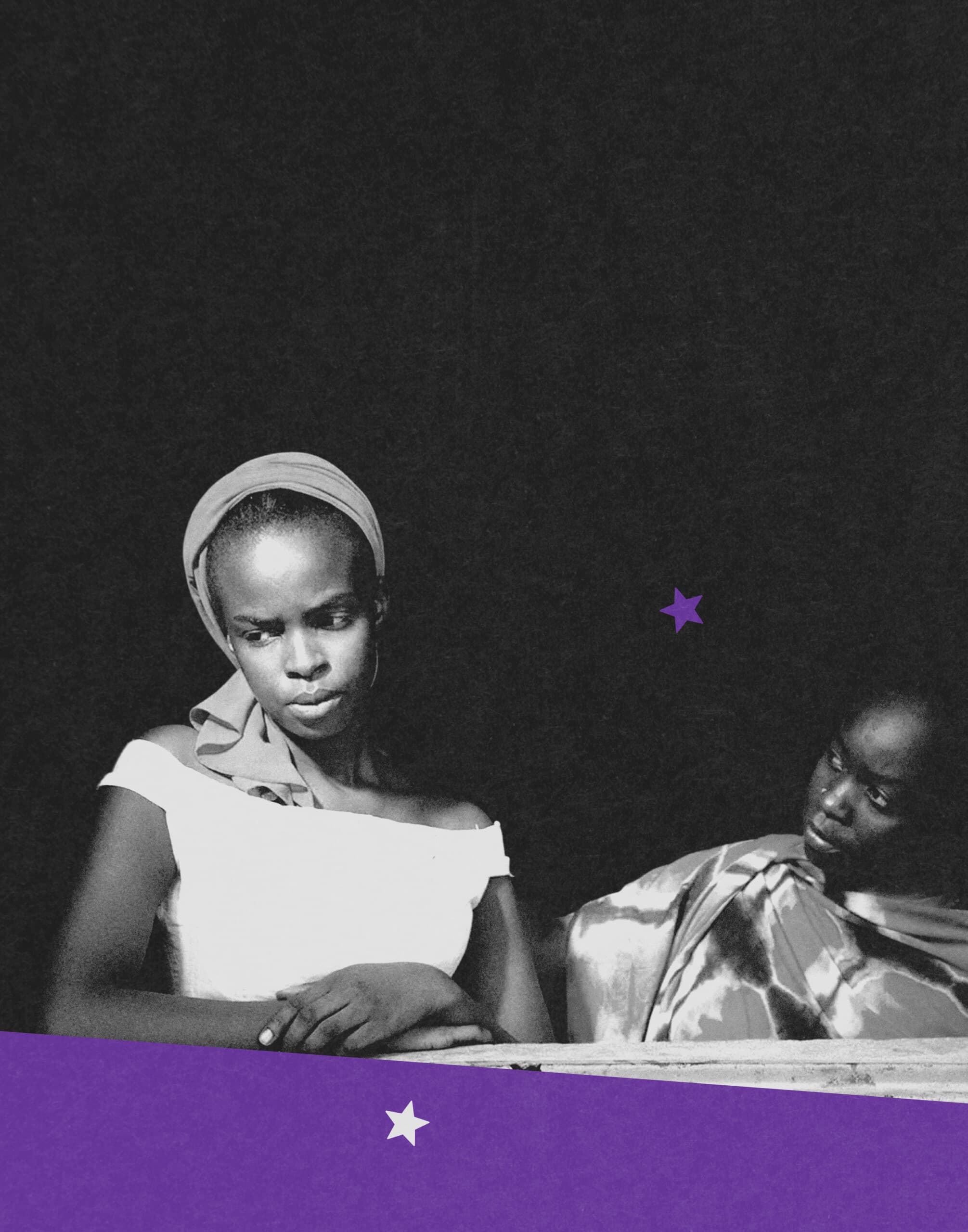
In January 2020, BlackStar transitioned from a volunteer-run festival to an organization with year-round programming and full-time employees. Like the rest of the world, we had no idea we would all be quarantined within three months. We pivoted and made the festival virtual. We wanted to gather our people responsibly, so BlackStar partnered with the Philadelphia Parks & Recreation Department to host drive-in screenings at the Mann Center, providing a safe outdoor gathering in a beautiful setting. In the midst of a global pandemic, during the 2020 uprising, when we felt isolated and unsafe, we brought some lighthearted fun to our audience with Radha Blank’s The Forty-Year-Old Version, written, directed, and starring Blank as a 40-year-old artist experiencing a career crisis. The screening was sold out, with people laughing in unison as the story unfolded, and mingling outdoors at a safe distance wearing their PPE. Blank joined us for a post-screening Q&A session that evening.
Original illustrations by Chantal Jahchan.
2021: “Phototropism” Shorts Program
In 2021, we held more outdoor screenings at local venues. This program opened with the short and sweet three-minute Friendzone LA (2021) by Angel Kristi Williams. It was followed by Amina Sutton and Maya Tanaka’s comedic The Price of Cheap Rent (2020); Amartei Armar’s Ghana-based I Like It Here (2021), a gentle tearjerker that reflects on what we leave behind; Blanche Akonchong’s Mercury Afrograde (2020), a hilarious family comedy of errors about a Mercury retrograde gone horribly wrong; Ingred Prince and Tshay’s gales (2021), a film that is equally light and thoughtful about a nurse trying to balance work and life; and Abundance (2021), a Black queer feminist profile film directed by Kym Allen and co-created with Amber J. Phillips.
2022: Lingui, the Sacred Bonds dir. Mahamat-Saleh Haroun
I edited a thoughtful article, “The Inexpressively Expressive Cinematic Image,” by KJ Abudu in the third issue of Seen (fall 2021) about the cinema of Mahamat-Saleh Haroun; it was my introduction to the Chadian filmmaker. That same month, I learned that a new film by Haroun was screening at a cinema around the corner from where I was living in Edinburgh. I went to see it without reading or watching anything that would give me a clue about the film (I love to be surprised). Lingui, the Sacred Bonds (2021) captures the relentless love and unshakeable solidarity between a mother and her only daughter, who is seeking an abortion. I walked home from the cinema alone in the rain, wistful and lost in thought. It felt like a BlackStar film to its core, and I wanted to share it at the 2022 festival. Our audience gave the film the Favorite Feature Narrative Film award.
2023: Foragers dir. Jumana Manna
My highlight this year was Jumana Manna’s Foragers (2022), a Palestinian film about the politics of nature in a settler-colonial context. It focuses on Palestinians within the 1948 territories facing down the Zionist criminalization of the very intimate relationship that we Palestinians have with our land. The film illuminates an often-overlooked aspect of Palestinian survival—irreverence. Manna’s film captures the use of comedy to mock and trivialize Israeli power and apartheid; this is an essential tool, among many, Palestinians use to endure life under Israeli settler-colonialism. This took place mere months after Operation Al-Aqsa Flood and the escalation of Israel’s genocidal war and the ongoing 130+ year Zionist Nakba against the Palestinian people.
2024: Songs from the Hole dir. Contessa Gayles
Dreams in Nightmares dir. Shatara Michelle Ford
Unfortunately, I missed the screening for Songs from the Hole (2024) but managed to get to the theater after the Q&A. The audience members appeared quenched in the way only a great story can inspire. It’s not an easy film; it’s a visual album made up of songs the protagonist, co-creator and co-writer James “JJ’88” Jacobs wrote during his years of incarceration. It’s the true and inspiring story of how your community can support you in processing and healing from harm. The film won the Jury Award for Best Feature Documentary.
Shatara Michelle Ford’s Dreams in Nightmares (2024) had its world premiere as the festival’s opening night film. If there was ever a film made for BlackStar’s audience, it was Dreams in Nightmares—a Black, queer, femme road trip film that explores the making and breaking of close friendships and the possibilities of non-romantic relationships. The film was met with thunderous applause and a standing ovation.
2025: TCB – The Toni Cade Bambara School of Organizing dir. Louis Massiah and Monica Henriquez
When we consider which film will open the festival, we ask ourselves: what tone do we want to set this year? After the 2024 elections, in the midst of relentless genocide in Palestine and Sudan, we needed a new-old model for how to build community and fight. TCB (2025) focuses on artist and activist Toni Cade Bambara’s life and work, taking us back to a pre-social-media, pre-cell phone world where organizing demanded more personal connection and collectivity. It is an homage to the writer, organizer, and cultural worker as told through the memories of friends and colleagues who loved her most. Sure enough, her spirit set the tone, and we carried the Bambara vibes through the rest of the festival.
Share
Related