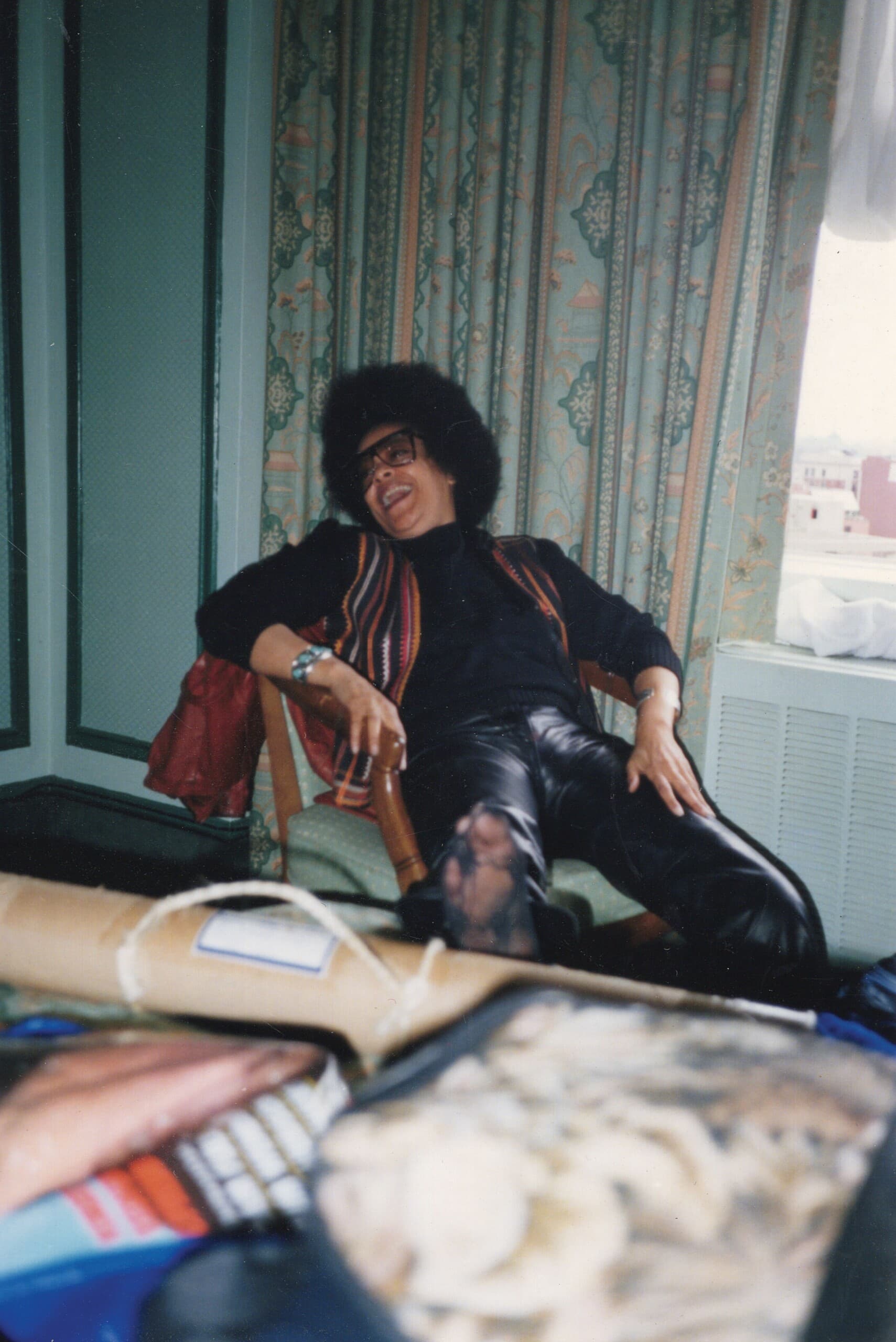
Courtesy Spelman College Archives.
(Reviews)
Toni Cade Bambara Recalls and Responds
Issue 010
MAY 20, 2026
Toni Cade Bambara, the writer, teacher, filmmaker, and lifelong activist, grew up in Harlem amongst stories she encountered in books, the streets, the beauty shop, and movie theaters.
She wrestled seriously with a suitable name for her burgeoning authorial persona, graduating from Miltona to Toni and eventually adopting the surname Bambara, prompted by her admiration of the West African people of that name. With the care and precision of a writer, Bambara crafted the contours of her own character as a Black woman. Her lifetime spanned the fluid political and artistic projects of Black America in the wake of the Civil Rights Movement. A witness to Black Power and an architect of late 20th-century Black feminism, Bambara saw her function as an artist to make revolution irresistible. Her oft-recited question—“What’s the plan?”—posed to her fellows in arts, politics, and life, urges us, even in her absence, to grasp the intertwined arcs of justice and storytelling.
The documentary of Bambara’s life, TCB: The Toni Cade Bambara School of Organizing (2025), premiered at the 2025 BlackStar Film Festival, fittingly held in Philadelphia, where Bambara lived the last decade of her life. The film was directed by Bambara’s fellow Scribe Video Center filmmakers, founder Louis Massiah and Monica Hernandez. TCB incorporates rare footage, photographs, and recordings of Bambara and the many sites of her organizing and creative practice: Harlem, Philadelphia, Atlanta, the Bahamas, Vietnam. Interspersed with these scenes, often narrated in voice-over by Bambara, are insights and recollections from her many co-conspirators, including author Toni Morrison, Black feminist scholar Beverly Guy-Sheftall, and Bambara’s daughter, Karma. Bambara’s sense of story, her deep insights into the craft of film and writing, and, above all, her investment in community shape the film into a primer for living and organizing.
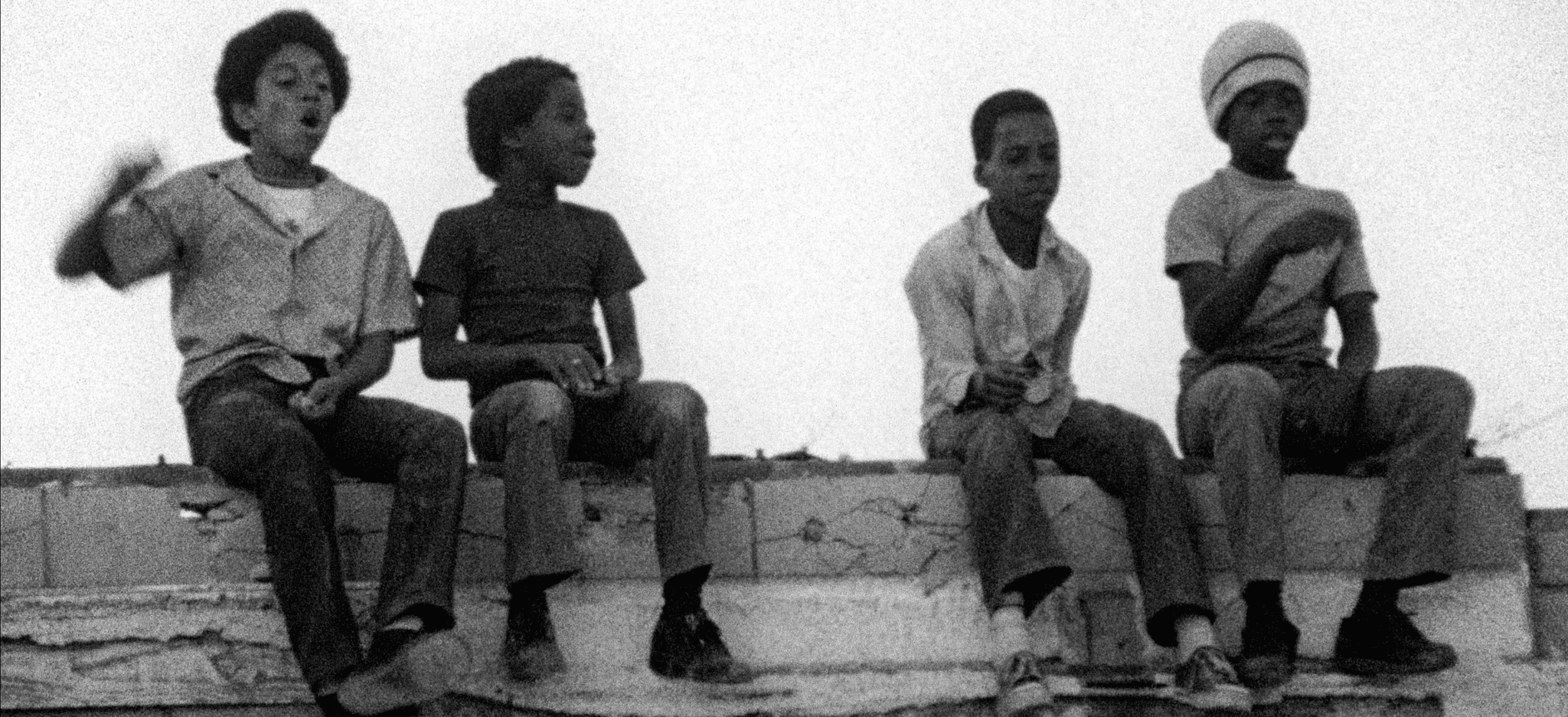
The film is organized chronologically and begins with interviews with Bambara’s friends and family members discussing the vibrant scene of Black New York as an education for her. The route Bambara walked after school exposed her to the art of Black life, staged in doorways and preachers’ corners and discussed in barbershops and beauty parlors. Making use of recently released archives, TCB even includes a never-before-seen shot of Malcolm X at the mic on Speakers’ Corner¹.
Without losing sight of Bambara, TCB widens the frame and recalibrates its focus to include and highlight her expansive community. Through her writing, teaching, and film work, Bambara forged a life rooted in the communal care that stories can offer. Her dogged pursuit of a writing career, starting in her teens, resulted in the landmark The Black Woman: An Anthology (1970); her frank exploration of spiritual wellness in the Black women’s movement, The Salt Eaters (1980); and her empathy and rage for the devastating Atlanta child murders that became the subject of her posthumously published novel, Those Bones Are Not My Child (1999).
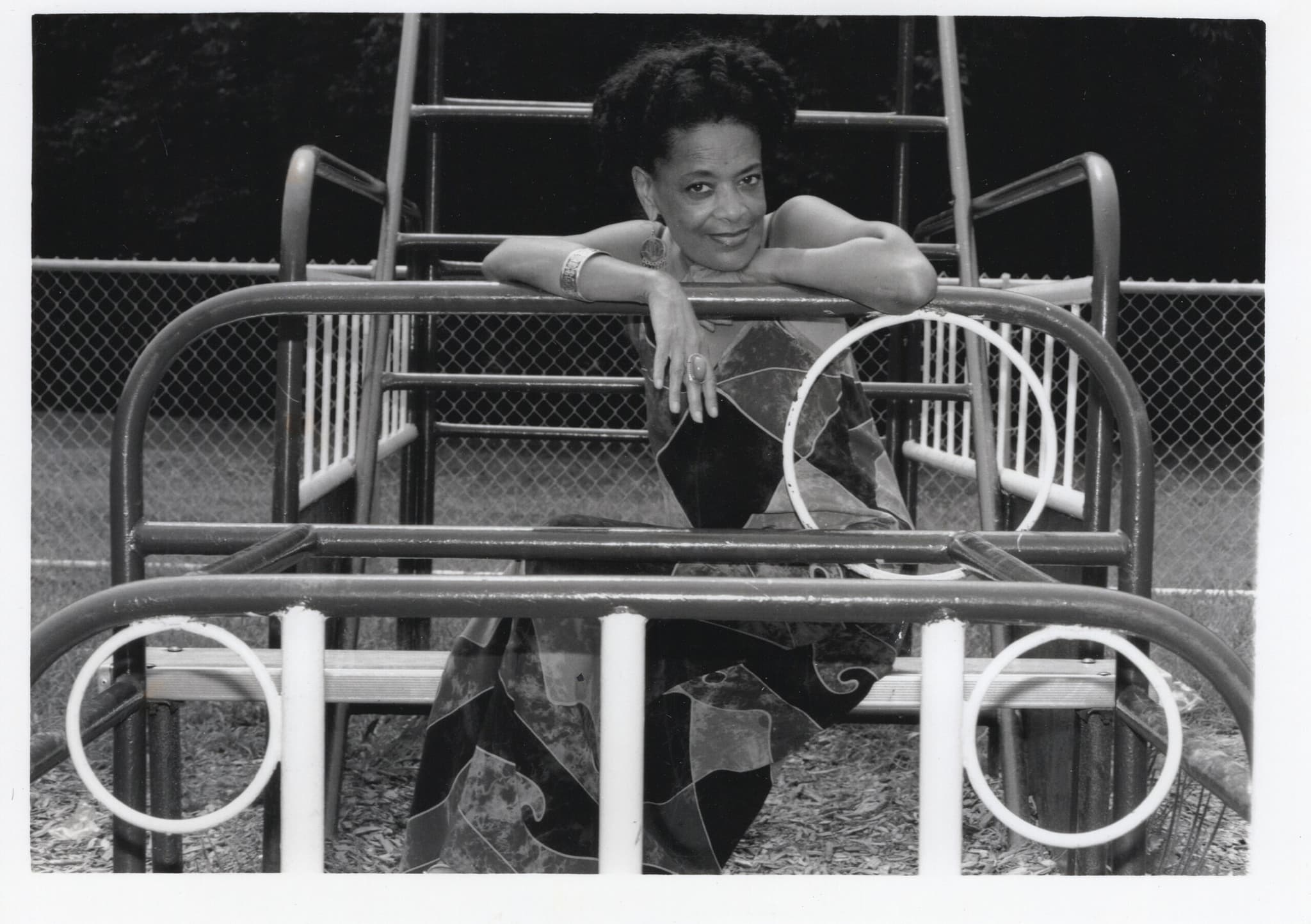
Photo by Carlton Jones.
In Bambara’s world, any space was a classroom—the porch, the living room, the street. Filmmaker Aisha Shahidah Simmons testifies to Bambara’s wisdom, in clear awe of the woman who “knew so much about so much.” Nonetheless, Bambara resisted the hierarchies that such experience and talent might justify. Instead, she preferred collaborations and workshops, hosting writing sessions at her home in Atlanta for anyone interested in writing. In her classroom at City College in New York, her former student recalled that she stood not in the front of the room but in the back while giving lessons.
For Bambara, storytelling and activism were twin endeavors—a conviction that her close friend and editor Toni Morrison admits initially inspired irritation. Exceptional contributions to African American literature warranted serious attention, free of distractions. Bambara was, she explains, the finest writer she ever encountered. Eventually, however, Morrison admits that she learned Bambara’s insistent engagement with others was not a digression but at the heart of her process and practice. In the film, Bambara acknowledges that were she compelled to choose writing or organizing, she would seriously reconsider and possibly reject her writing career. Fortunately, Bambara did not succumb to the pressure to choose and followed her instinct that the two projects were intimately bound. Stories, for Bambara, were essential to the development and transmission of critical knowledge. For Bambara, art existed to uplift and explore the precious and often overlooked aspects of a culture, its children, women’s interior lives, and generational wisdom. As Bambara wrote in her essay “Education of a Storyteller,” stories have to be accessible if they are to be any good at all, let alone useful.
Bambara worked in multiple communities, chronicling and archiving not just the events but the spiritual past and possibilities for a free people. Her practice was rooted in what is now nameable as Black feminism—an orientation toward Fannie Lou Hamer’s conviction that “nobody’s free until everybody’s free” and the Combahee River Collective’s “Black Feminist Statement” that the Black woman (and in particular, poor, Black, queer women) have special insight into getting free from surviving at the nexus of multiple oppressions.
TCB closes with one of the many strategies Bambara cultivated from her lifetime as an artist-organizer. The poet-activist Alexis Pauline Gumbs, one of Bambara’s many literary and political heirs, emphasizes the radical word-work that Bambara achieved by rendering the word sister into a verb. The examples of that practice include her “rescue missions” at friends’ homes, wielding bags of groceries to give them a moment free of household obligations so they could tend to their underfed creative lives.
Bambara’s urgent yet gentle question, repeated by many throughout the documentary, lingers: “What’s the plan?” It is a query that resonates with the one she posed periodically to her daughter, Karma—“Who are you?”—and that her daughter now recites to her own children. Some questions are challenges; Bambara’s are invitations—to think, to work, to relate, to sister, to write. The freedom to ask those questions is a beautiful, invaluable lesson, modeled and mentored by Bambara, who—like the great teacher and organizer she was—really cared about our answers.
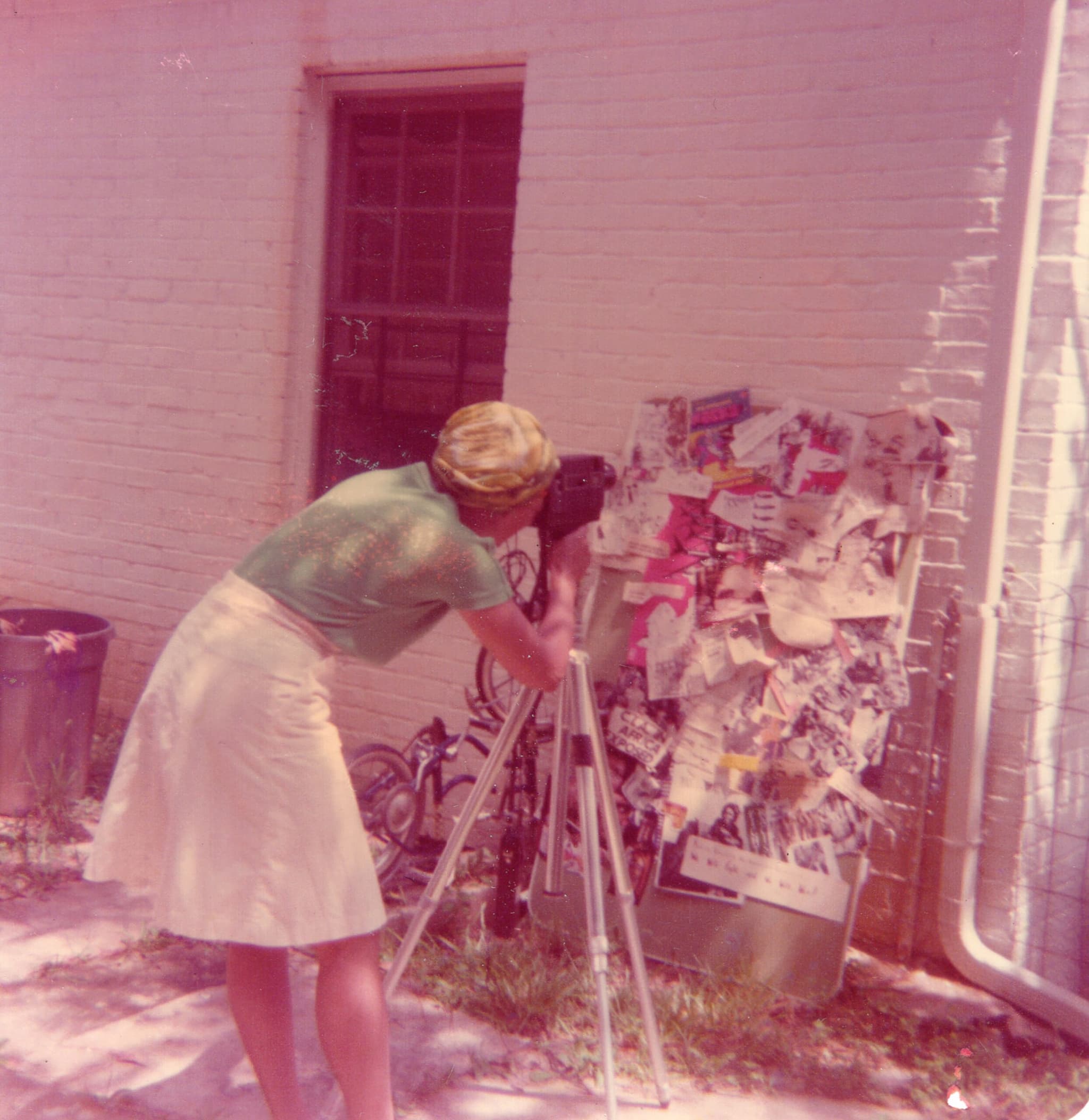
- Harlem’s Speakers’ Corner was located on the southwest corner of 135th Street and Lenox Avenue. The latter has been redubbed Malcolm X Boulevard in honor of the famous orator.
Share
Related